Source Camping Vehicles for Mobile Living, Travel, and Work
Explore 30 camping vehicle options sourced from China, featuring models with varying capacities and customizations. Compare specifications for trailers and units with solar, kitchen, and sleeping facilities to find the right fit for your needs; compare the available evidence and request quotations based on your requirements.
Key considerations
Products List




Comprehensive Sourcing Guide
Camping Vehicle Sourcing Guide
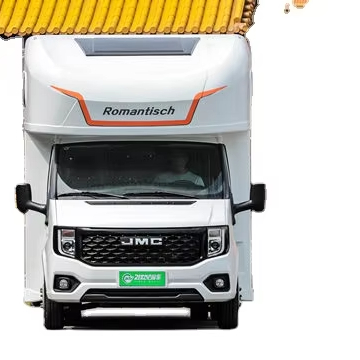
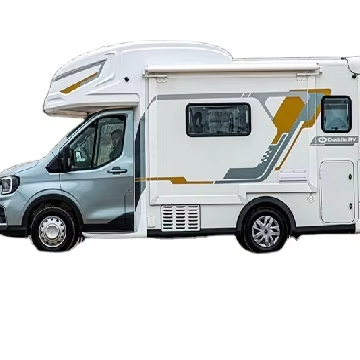
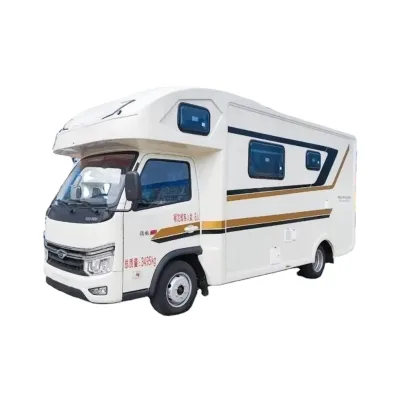
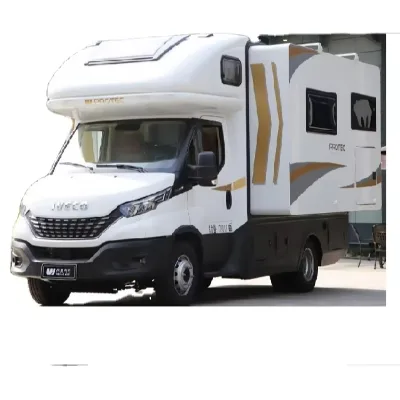
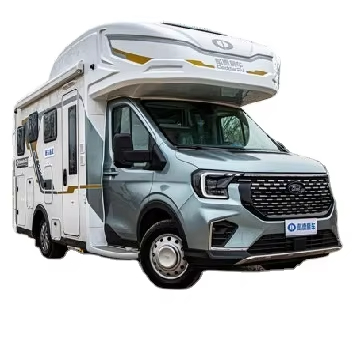
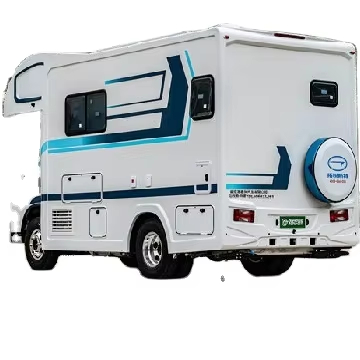
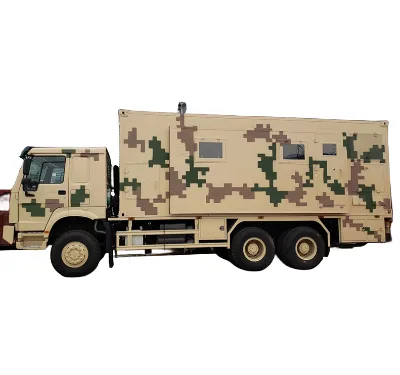
The global market for camping vehicles presents a diverse array of configurations, ranging from compact towable trailers to integrated motorized units. Buyers must first distinguish between full trailers designed for external towing and self-propelled units equipped with specific engine and transmission systems. The observed product data indicates a significant variation in axle configurations and loading capacities, with some units rated for 2-ton loads while others feature distinct color-coded axles. This diversity requires a precise definition of the intended use case before engaging with suppliers, as the structural requirements for a lightweight duty unit differ substantially from those of a heavy-duty expedition vehicle.
Procurement strategies must account for the wide spectrum of customization options available in the current supply chain. Many manufacturers offer tailored solutions including solar panel installations, specific water tank capacities between 70 and 100 liters, and bespoke interior layouts such as single-sink kitchens or sleeping arrangements for two to four people. Buyers should verify whether the supplier supports OEM and ODM requests for logos and specific dimensions, as standard models may not align with unique operational needs. Understanding the extent of customization available is critical for aligning the final product with specific brand identities and functional requirements.
Product Scope and Observed Listing Signals
The observed product listings reveal a broad price spectrum, ranging from entry-level units to high-value specialized vehicles, reflecting differences in materials, technology, and production complexity. While specific pricing varies, the minimum order quantities observed span from single units to bulk orders of 500 pieces, indicating flexibility for both pilot projects and large-scale fleet deployments. Buyers should note that the condition of listed items is consistently new, yet the origin locations vary, with some products explicitly sourced from Cangzhou and others from broader Chinese manufacturing hubs. This geographic spread can influence logistics planning and lead time expectations for international shipments.
Listing signals also highlight distinct functional attributes that define the vehicle's utility in the field. Some units are marketed with waterproof and shockproof capabilities, utilizing specific foam types like Eav or Cube Foam for interior protection and comfort. The presence of advanced features such as 3000W inverters and 5 KWh battery systems suggests a focus on off-grid power independence, while other listings emphasize basic utility with single-sink kitchens and standard sleeping capacities. Buyers must carefully cross-reference these observed signals with their specific operational requirements to avoid over-specifying or under-specifying the procurement order.
Technical Specifications to Verify
Technical due diligence must begin with the verification of core mechanical and structural specifications, particularly regarding engine power and transmission systems. The market data indicates units with engine outputs ranging from 2.0t to 100-150Ps, paired with automatic gearboxes and torque figures between 400-500Nm. Buyers should confirm the exact axle count and steering configuration, as some listings specify left-hand steering while others present color-coded axle variations that may impact road legality in different jurisdictions. Ensuring the gearbox type matches the intended terrain and driving conditions is essential for long-term reliability and safety.
Dimensional and capacity specifications require rigorous validation against the intended payload and storage needs. Observed standards include specific dimensions such as 320018001320mm or larger configurations like 6m x 2.47m x 3.4m, alongside water tank capacities of 70-100 liters. Buyers must verify the actual loading weight, which can reach 2 tons, and ensure the structural grade, such as light-duty classifications, aligns with the expected cargo load. Additionally, the presence of solar panel customization and specific battery capacities like 5 KWh must be confirmed to guarantee sufficient power generation for extended off-grid operations.
Compliance and Safety Documentation
Regulatory compliance is a critical factor when sourcing camping vehicles, particularly regarding environmental standards and safety certifications. The observed data references Euro VI environmental standards, which are essential for vehicles intended for operation in regions with strict emission regulations. Buyers must request official documentation proving adherence to these standards, as well as any additional certifications like ISO9001, RoHS, Reach, or IP67 ratings that may be claimed for specific components. Without verified documentation, the risk of non-compliance with local import laws and safety regulations increases significantly.
Safety features and packaging standards also play a vital role in the procurement process. Some listings mention fumigation-free wooden boxes for packaging, which is crucial for meeting international phytosanitary requirements and preventing the spread of pests. Buyers should verify the condition of the vehicle upon arrival, ensuring it meets the "New" status claimed in listings, and check for any damage during transit. The inclusion of specific safety features, such as ABS systems or their absence, must be clearly documented to ensure the vehicle meets the safety expectations of the end-user and local traffic authorities.
Cost Drivers and Commercial Terms
The total cost of ownership for camping vehicles is influenced by several key drivers, including the complexity of customization, the quality of materials, and the specific technical specifications selected. Units with advanced features like solar panel installations, large battery capacities, and custom dimensions typically command higher prices, while standard models with basic amenities may offer more competitive rates. Buyers should analyze the price range observed, which spans from 11 to 75,000 USD, to understand the correlation between feature sets and cost, ensuring their budget aligns with the desired level of functionality and durability.
Commercial terms, including minimum order quantities and payment structures, vary significantly across suppliers and product types. The observed MOQ range of 1 to 500 units suggests that buyers can negotiate flexible terms depending on their volume requirements and the supplier's production capacity. It is essential to clarify the lead times associated with customized orders, as features like logo customization or specific packing requirements may extend the production schedule. Buyers should also confirm the shipping method, whether by container or sea freight, and understand how these logistics choices impact the final landed cost and delivery timeline.
Supplier Qualification and Quality Control
Supplier qualification requires a thorough assessment of their manufacturing capabilities, quality control processes, and track record in the camping vehicle sector. Buyers should verify the supplier's ability to meet specific customization requests, such as OEM and ODM support, and ensure they have the infrastructure to handle complex assembly tasks like solar panel integration and battery system installation. The presence of certifications like ISO9001 indicates a commitment to quality management, but buyers must also request evidence of recent production audits and customer references to validate these claims.
Quality control measures must be established early in the procurement process to mitigate the risk of receiving substandard products. Buyers should implement a rigorous inspection protocol that includes pre-shipment inspections to verify dimensions, weight, and functional performance against the agreed specifications. Given the variation in observed product attributes, such as different axle colors or steering configurations, it is crucial to define clear acceptance criteria before production begins. Regular communication with the supplier regarding quality milestones and any deviations from the standard can help ensure the final product meets the buyer's expectations.
Long-Term Procurement Checks
Long-term procurement success depends on establishing robust post-sales support and warranty frameworks that protect the buyer's investment. The observed warranty periods vary, with some listings offering 1-year coverage and others extending to 10 years, highlighting the need for clear contractual agreements regarding maintenance and repair responsibilities. Buyers should negotiate comprehensive warranty terms that cover critical components like engines, batteries, and inverters, ensuring that any defects are addressed promptly without incurring additional costs. A clear understanding of the warranty scope is essential for managing operational risks and maintaining fleet reliability.
Continuous monitoring of supplier performance and product evolution is necessary to adapt to changing market conditions and technological advancements. Buyers should maintain open lines of communication with suppliers to stay informed about new models, updated standards, and potential improvements in vehicle design. Regular reviews of the supply chain, including assessments of lead times, quality consistency, and cost stability, will help identify any emerging issues before they impact operations. By fostering a collaborative relationship with suppliers, buyers can ensure a steady supply of high-quality camping vehicles that meet their evolving needs.
FAQs
What customization options are available for camping vehicles?
Customization is available for camping vehicles, allowing buyers to tailor features to specific needs. Options include customized logos, colors such as green or black, and solar panel installations. OEM and ODM support ensures that unique design requirements can be met effectively by manufacturers.
What is the warranty period for these camping vehicles?
Warranty periods vary by product type, with some units offering one year of coverage while others provide up to ten years. Buyers should verify the specific warranty terms associated with their selected model to ensure adequate protection and support for long-term operational reliability.
Can camping vehicles be equipped with solar power systems?
Yes, camping vehicles can be equipped with solar power systems through custom installation services. These systems often include inverters, such as 3000W units, and batteries like 5 Kwh options, providing reliable off-grid energy solutions for extended travel and remote camping adventures.
What are the standard dimensions for camping vehicle trailers?
Standard dimensions vary by model, with common sizes including 3200x1800x1320 mm and 3500x1900x1800 mm. Larger units may measure 6m x 2.47m x 3.4m. Buyers should select dimensions that fit their towing capacity and storage requirements for optimal usability.
How many people can sleep in a typical camping vehicle?
Sleeping capacity depends on the specific model, ranging from two persons in compact trailers to four people in larger units. Buyers should check the bed configuration and interior layout to ensure the vehicle meets their group size and comfort requirements for travel.
What certifications do camping vehicle manufacturers typically hold?
Manufacturers often hold ISO9001, RoHS, Reach, and IP67 certifications, ensuring quality and safety standards. These credentials indicate compliance with international regulations for materials and environmental impact, providing buyers with confidence in the reliability and durability of the purchased camping vehicles.